
The Oreste Poli
Collection
The Oreste Poli Collection is the fruit of over fifty years of research, study and passion for Italian sacred art. Assembled by Oreste Poli together with his wife Isola Faini, it represents the outcome of a personal and cultural journey that unites art, architecture, spirituality and memory.
An architect, entrepreneur and profound connoisseur of the Tuscan figurative tradition, Oreste Poli developed from an early age a keen eye for the quality of works of art, cultivated through his frequent visits to the museums, churches and artistic sites of Florence. This sensibility, nourished also by his experience in the fields of architecture and restoration, guided over time the formation of a collection distinguished by remarkable cultural and spiritual coherence.
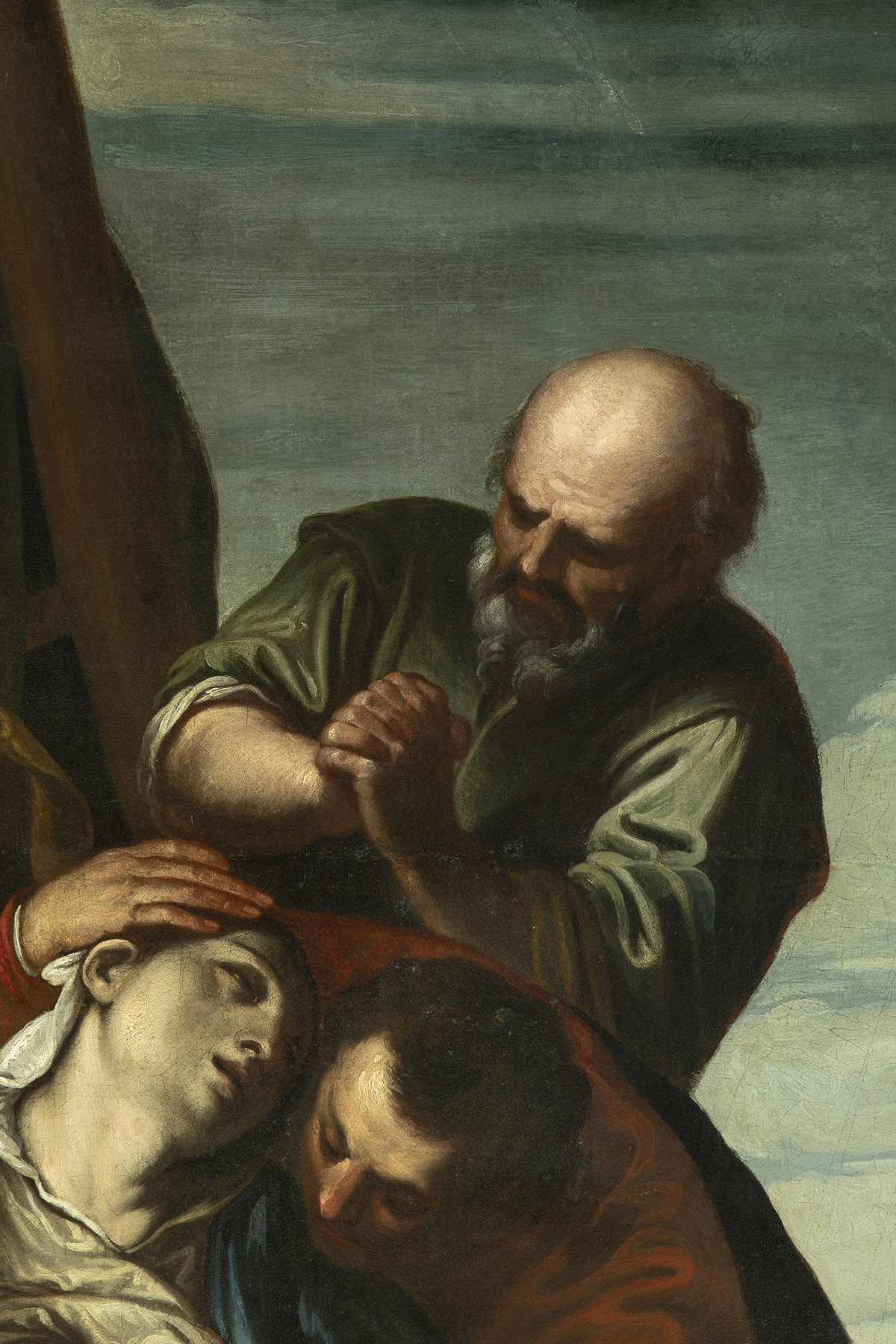
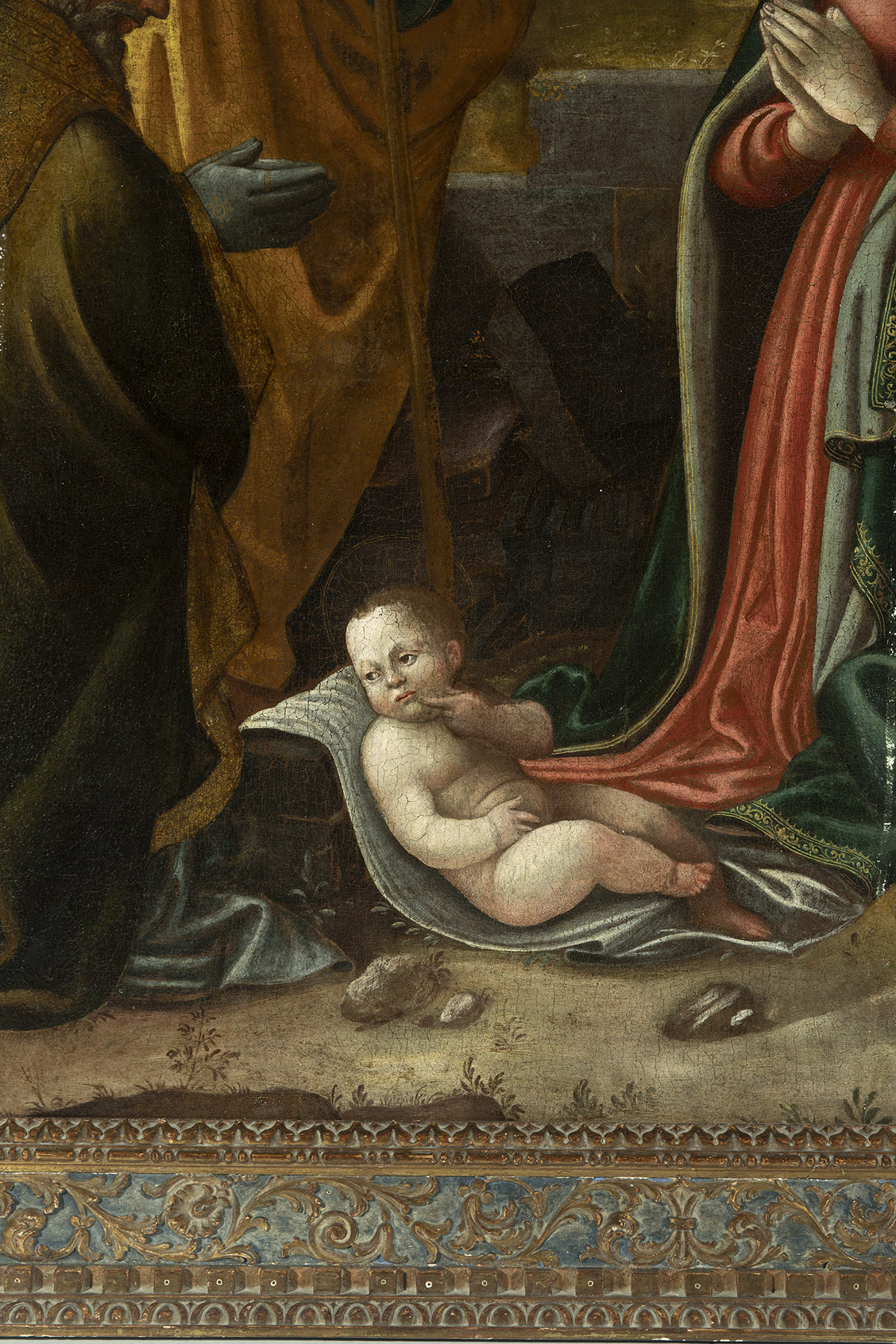
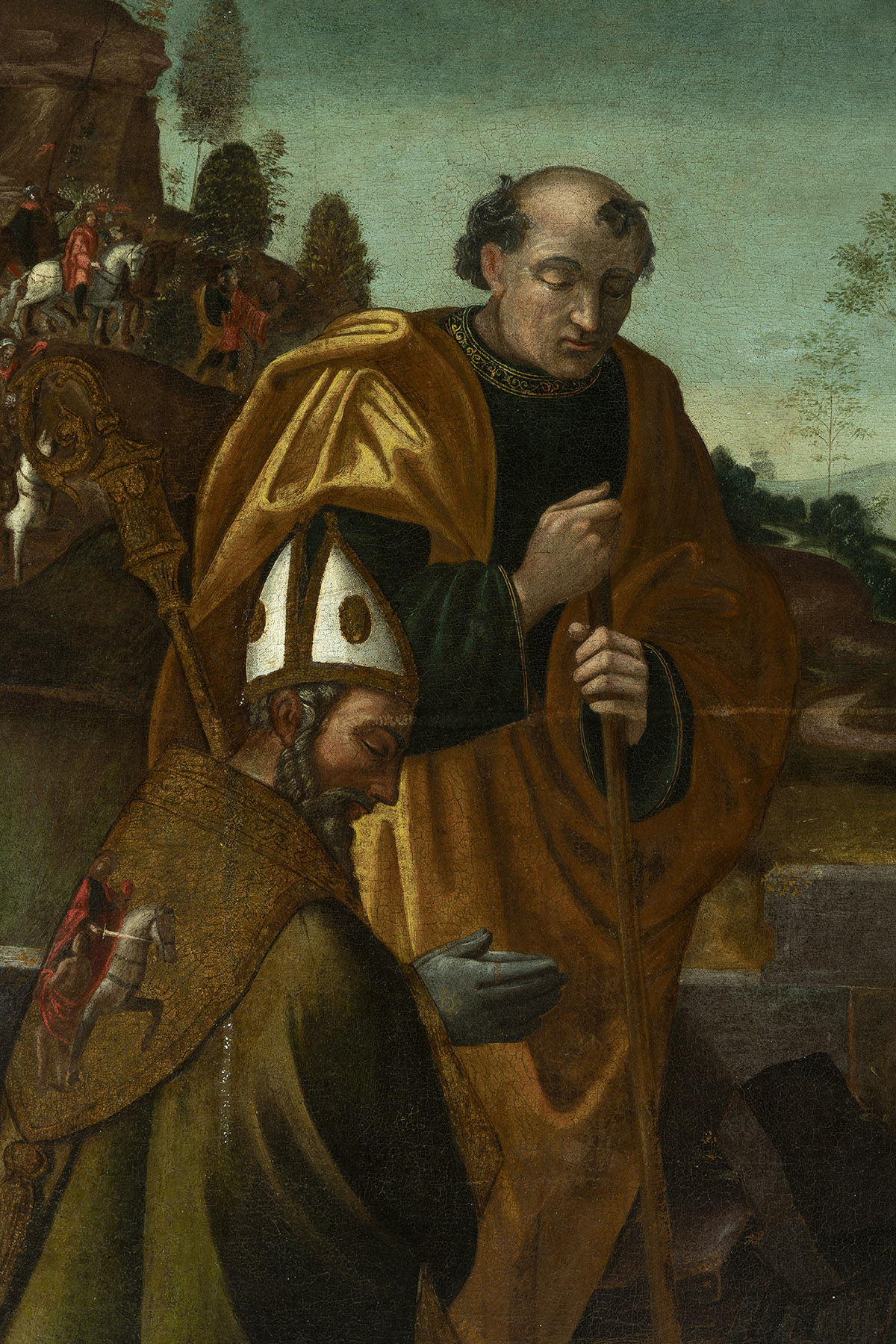
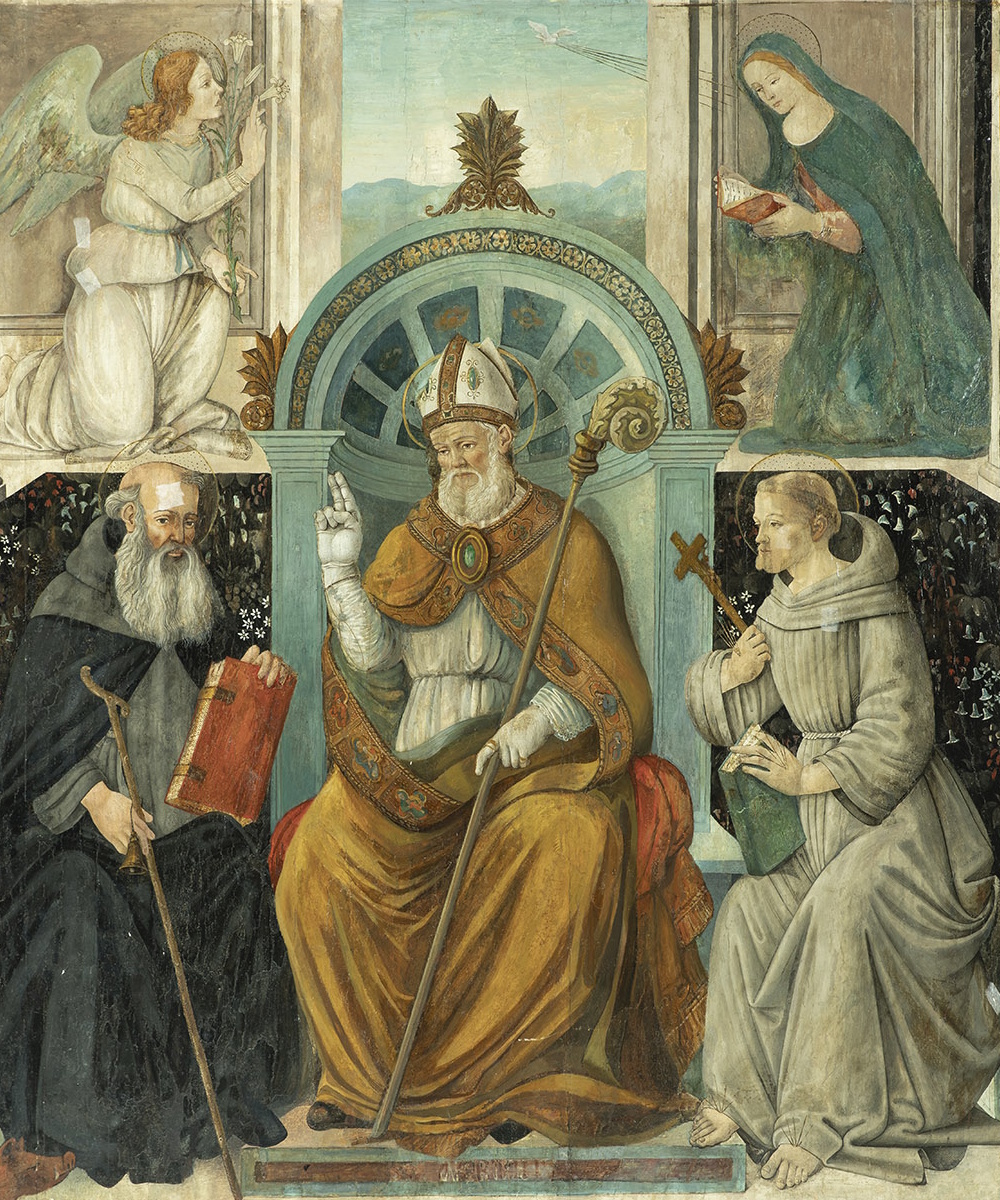
The collection brings together paintings and works of sacred art from the 15th to the 17th century, with particular attention to the Florentine and Tuscan school. The works, selected over the decades through study, auctions and antiquarian research, are arranged in an iconographic itinerary devoted to the principal episodes of the life of Christ, from the Annunciation to the Resurrection.
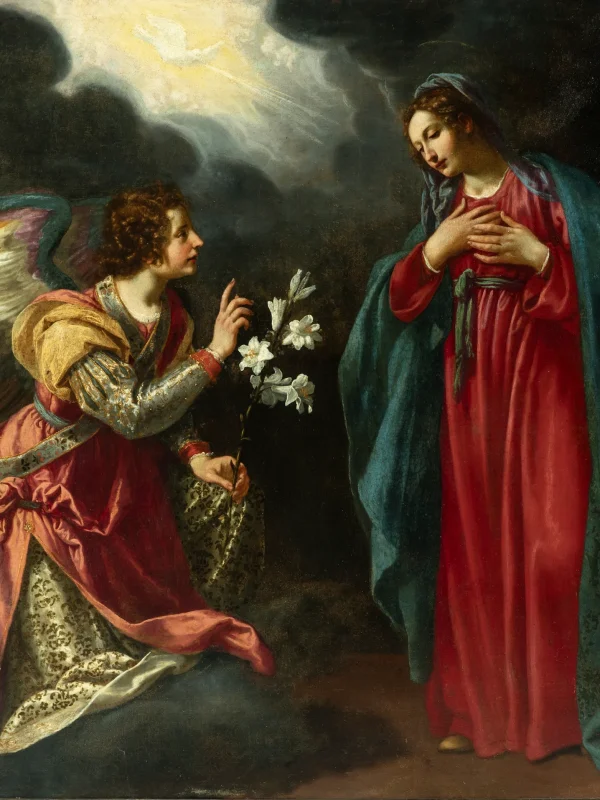
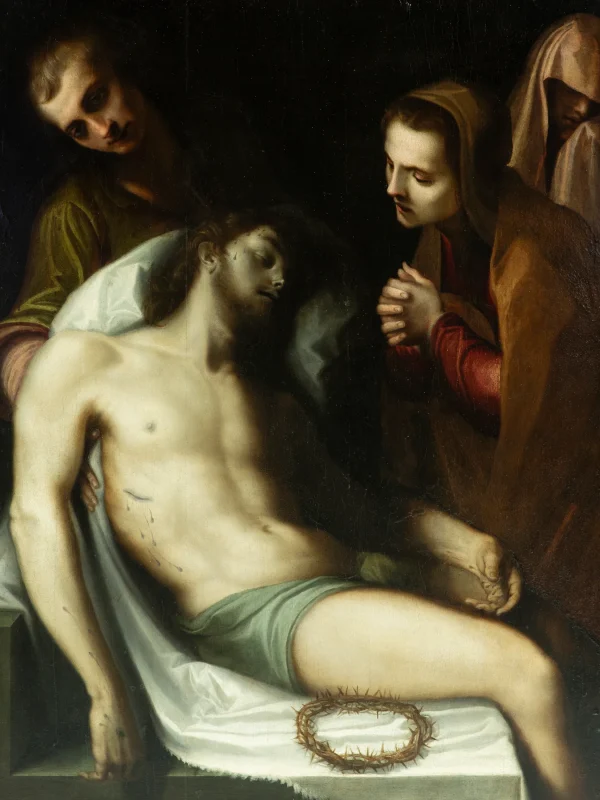
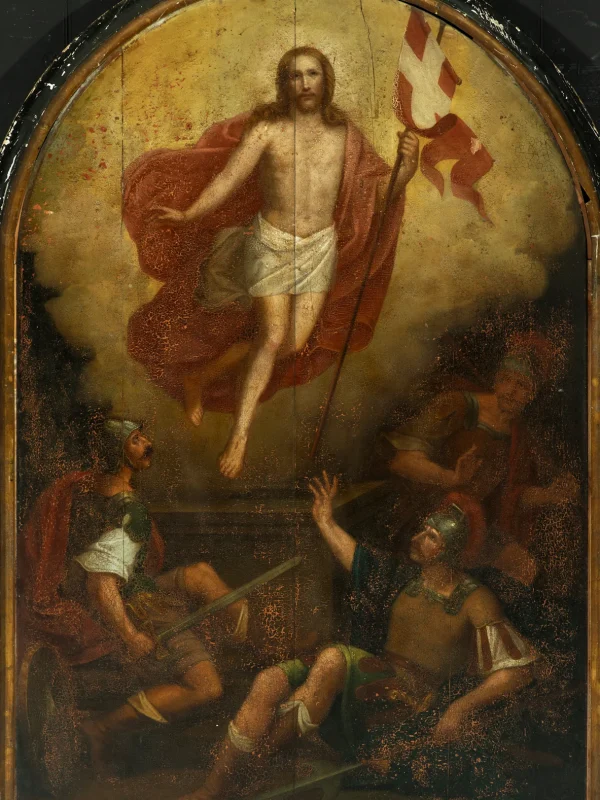
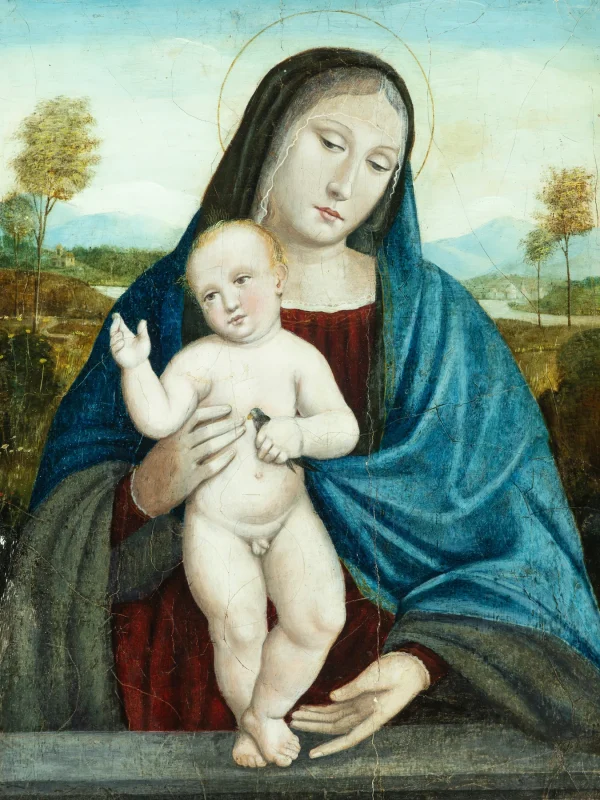
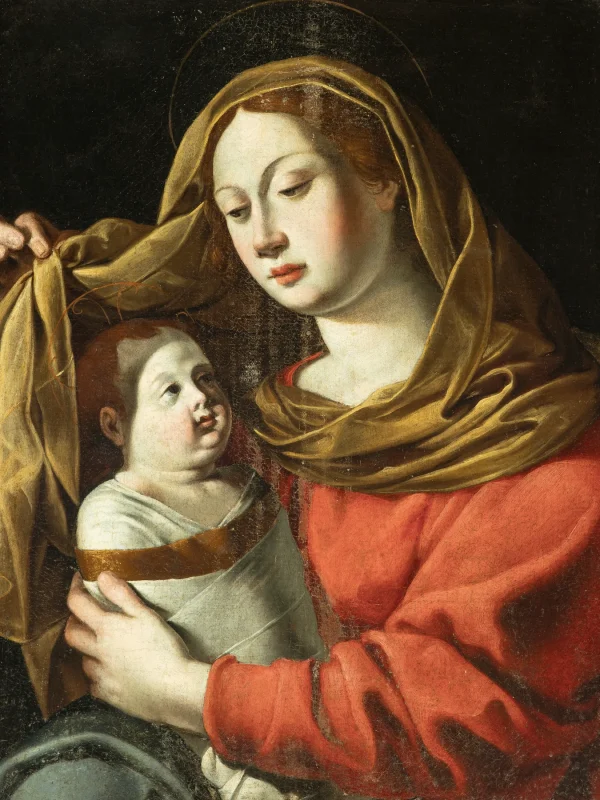
More than simply a private collection, the Oreste Poli Collection bears witness to a conception of art as an instrument of knowledge, contemplation and cultural continuity. Each work is in dialogue with the others in a narrative that spans centuries of Italian art history, keeping alive the relationship between beauty, faith and memory.
Thanks to the generosity of Impresa Poli, the collection has been donated to the community so that it may be preserved, studied and passed on to future generations. Today the permanent exhibition unfolds across the Basilica of San Lorenzo, the Church of Santi Apostoli and the Church of Settignano, offering visitors an experience that invites them to rediscover the value of a slow, attentive and meditative way of looking at art.
The Oreste Poli Collection is thus the legacy of a life devoted to the pursuit of harmony between architecture, art and spirituality, and represents an important cultural heritage for the city of Florence.
The Basilica
of San Lorenzo
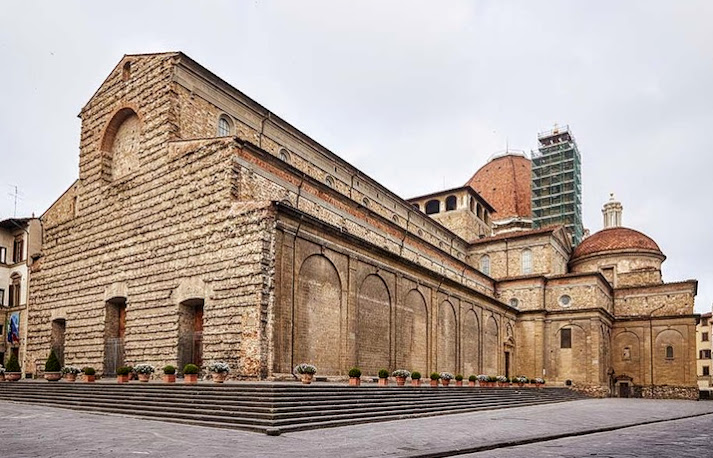
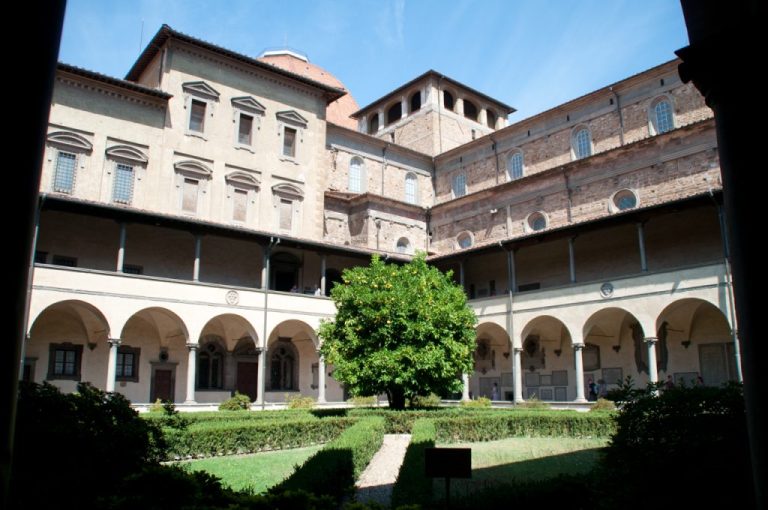
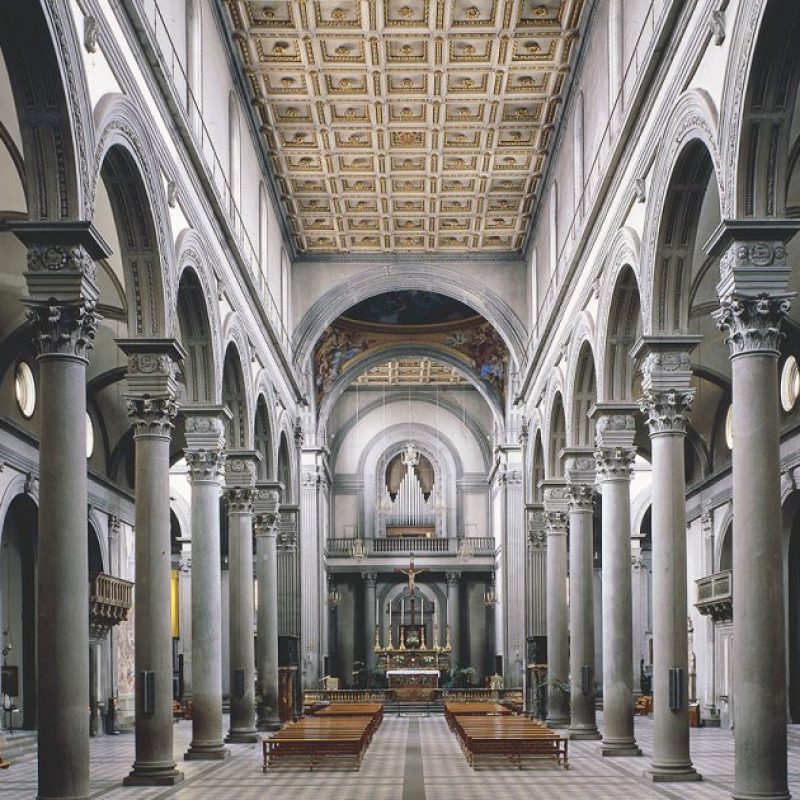
The Basilica of San Lorenzo is one of the most significant sites in the history of Florence and of the Renaissance. Founded on the origins of the ancient church consecrated by St Ambrose in 393 AD, from the 15th century it became the principal spiritual and dynastic centre of the Medici family.
Thanks to Medici patronage, San Lorenzo was transformed into an extraordinary laboratory of Renaissance art. Some of the greatest figures in the history of art worked here, including Filippo Brunelleschi — author of the Old Sacristy and of the design for the new basilica — Donatello, Michelangelo, Andrea del Verrocchio and many other masters who helped make the complex one of the most important monuments in Europe.
Over the centuries the basilica was enriched with works of art, funerary monuments and architecture of exceptional value, culminating in the creation of the Chapel of the Princes, a grandiose mausoleum intended to celebrate the greatness of the Medici dynasty. To this day San Lorenzo preserves this twofold character: a place of worship and an extraordinary treasury of art, memory and Florentine identity.
The Underground
Museum
Beneath the basilica extends a vast underground itinerary that safeguards the oldest testimonies of its history. These subterranean spaces, once intended for burials and for housing the church’s treasury, are today becoming the new museum heart of the Laurentian complex.
The route includes the Treasure of San Lorenzo, the Salone di Donatello, the crypt of Cosimo the Elder and the wide spaces that extend beneath the naves of the basilica. Here important art collections and liturgical objects are housed, among them the Oreste Poli Donation and the Barocchi Collection.
This major museum project is set to expand further, with the display of works belonging to the basilica’s own heritage and the enhancement of the historic Medici reliquaries. The underground spaces thus take on a new role: from a place of private remembrance to a space open to knowledge, research and the sharing of Florence’s artistic and spiritual heritage.
Thanks to Medici patronage, San Lorenzo was transformed into an extraordinary laboratory of Renaissance art. Some of the greatest figures in the history of art worked here, including Filippo Brunelleschi — author of the Old Sacristy and of the design for the new basilica — Donatello, Michelangelo, Andrea del Verrocchio and many other masters who helped make the complex one of the most important monuments in Europe.
Over the centuries the basilica was enriched with works of art, funerary monuments and architecture of exceptional value, culminating in the creation of the Chapel of the Princes, a grandiose mausoleum intended to celebrate the greatness of the Medici dynasty. To this day San Lorenzo preserves this twofold character: a place of worship and an extraordinary treasury of art, memory and Florentine identity.
A donation to the Basilica of San Lorenzo from

The Oreste Poli Collection:
a journey through art, faith and the history of painting
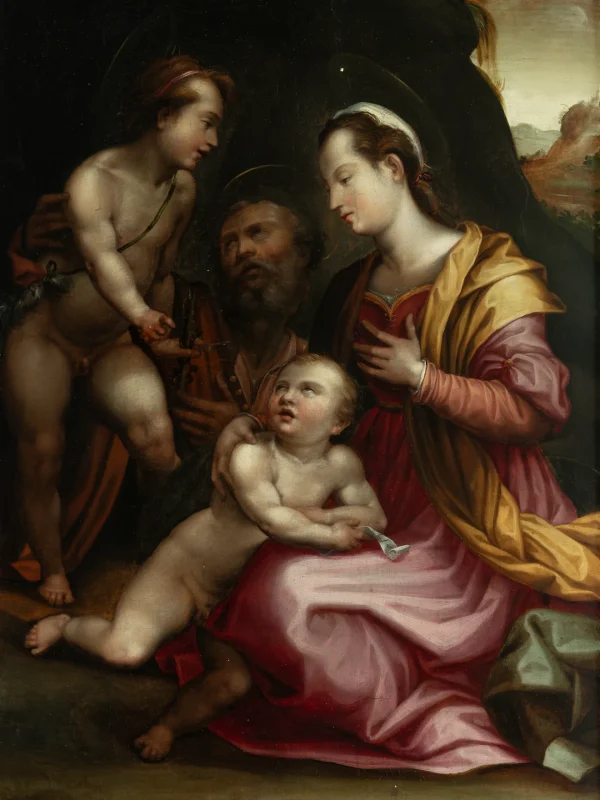
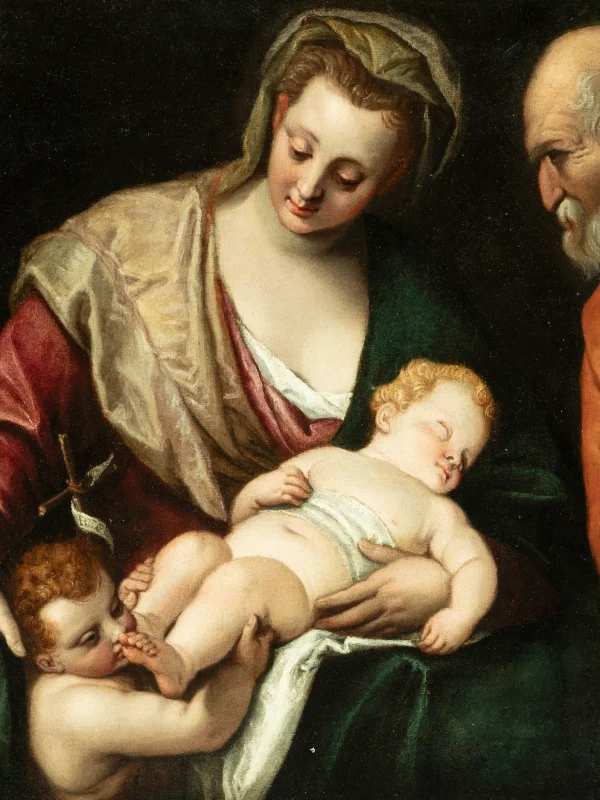
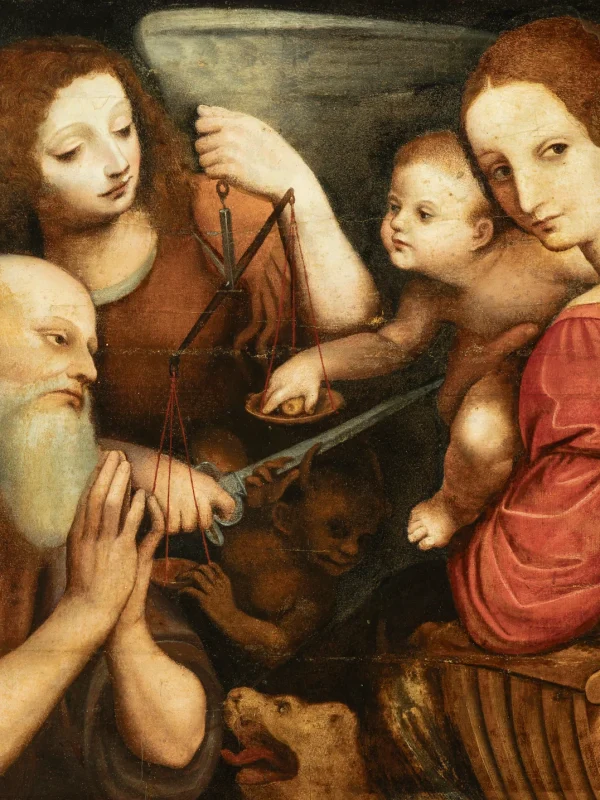
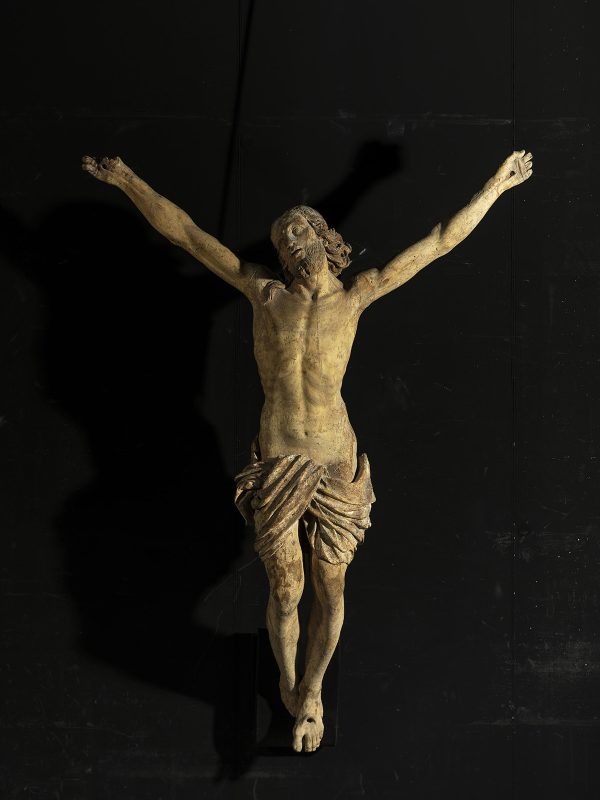
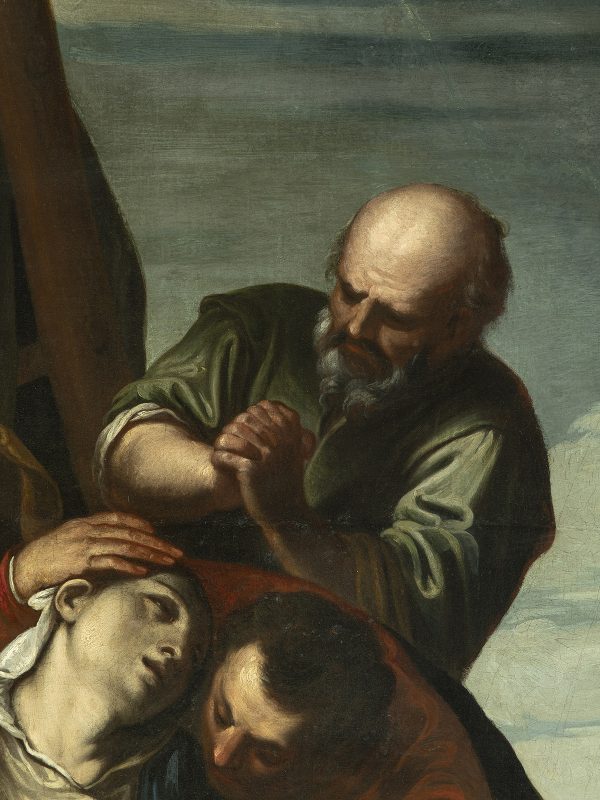
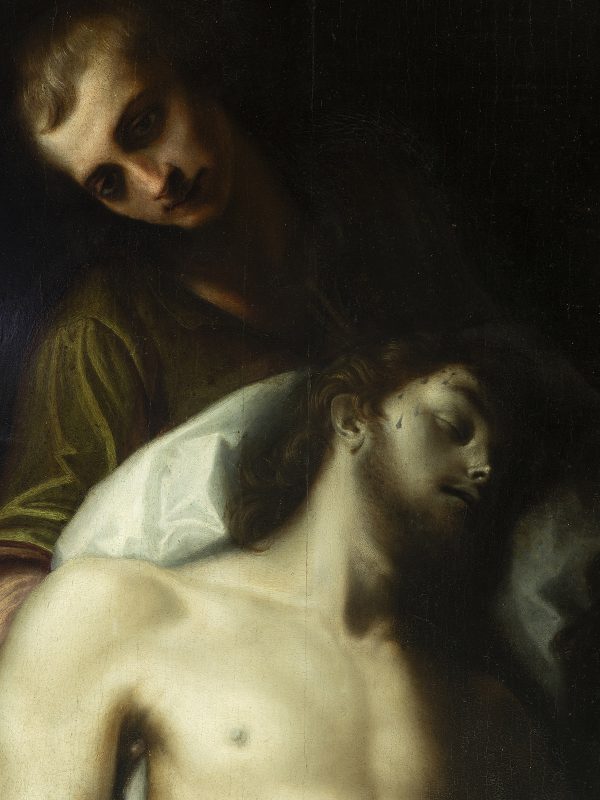
The Oreste Poli Collection is conceived as an exhibition itinerary that interweaves religious narrative and art history. The main body of the collection, displayed in the underground spaces of the Basilica of San Lorenzo, is organised around the life of Christ, turning the visit into a spiritual and visual journey that leads the visitor from the Incarnation to the Resurrection.
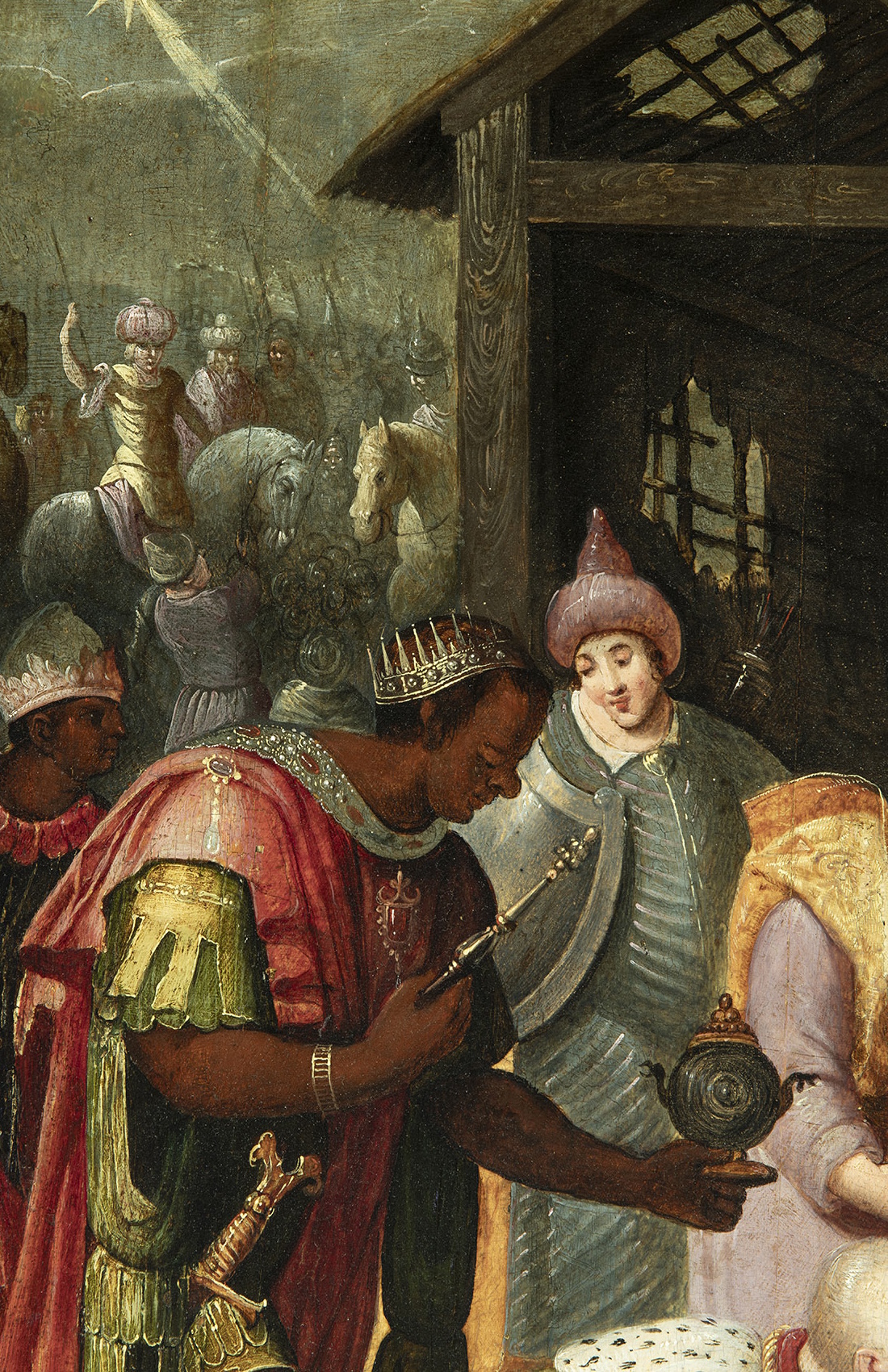
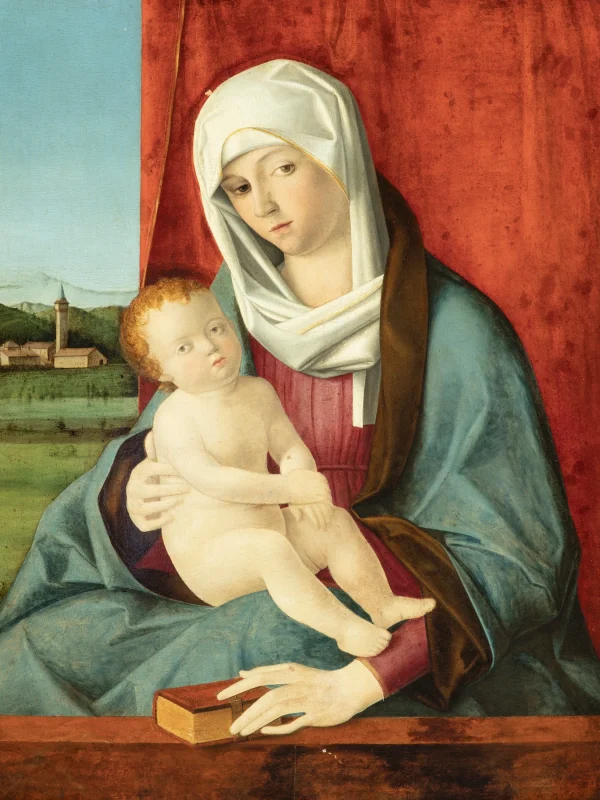
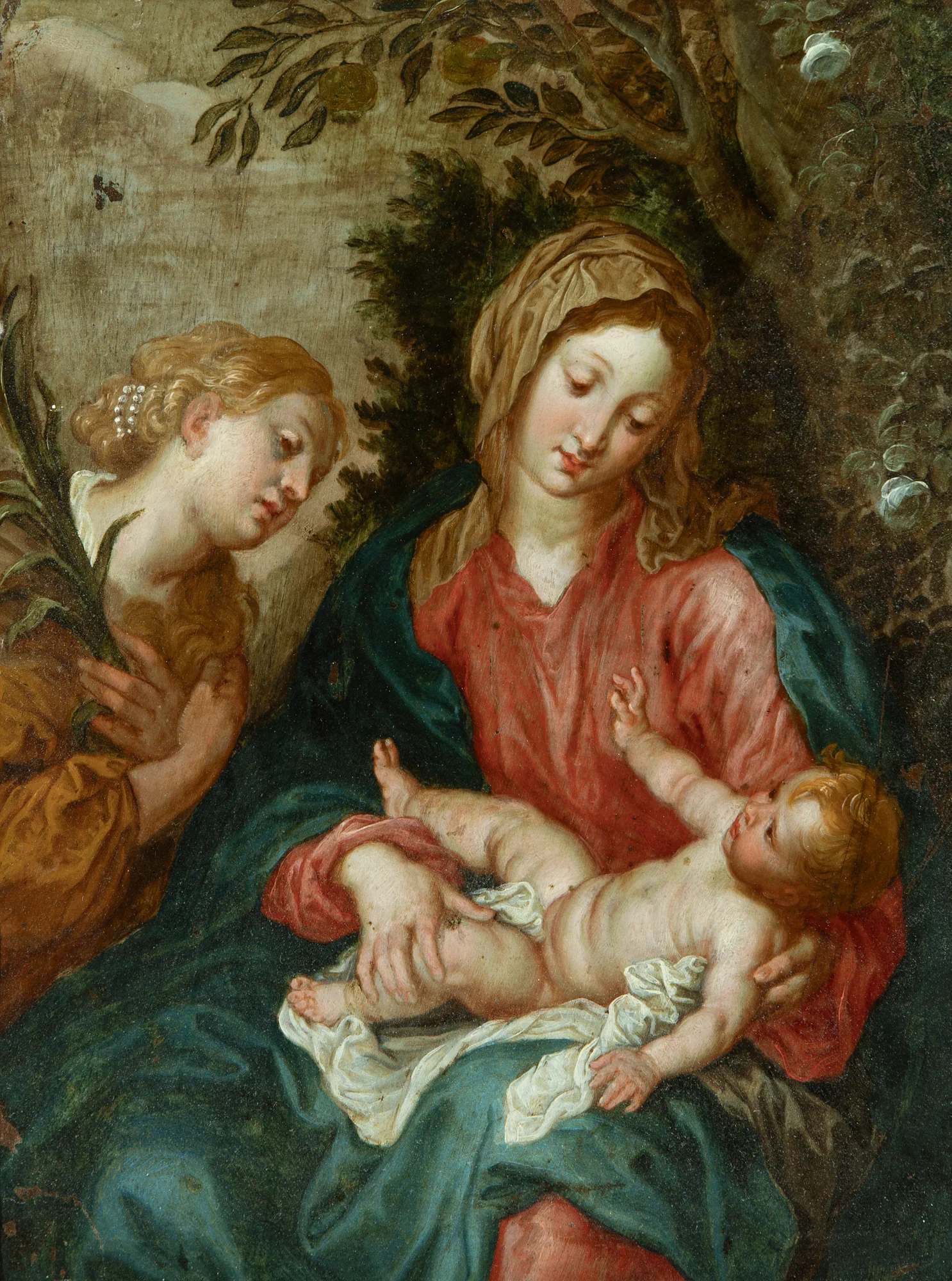
The itinerary opens with the Annunciation by Jacopo Vignali, the symbolic beginning of the story of salvation, and continues with episodes from the childhood of Jesus, including the Nativity and the Adoration of the Magi. This first section is complemented by a rich group of devotional works dedicated to the Madonna, the Holy Family and the saints, drawn from various Italian artistic schools. These paintings temporarily interrupt the narrative sequence to explore more intimate and contemplative aspects of Christian devotion.
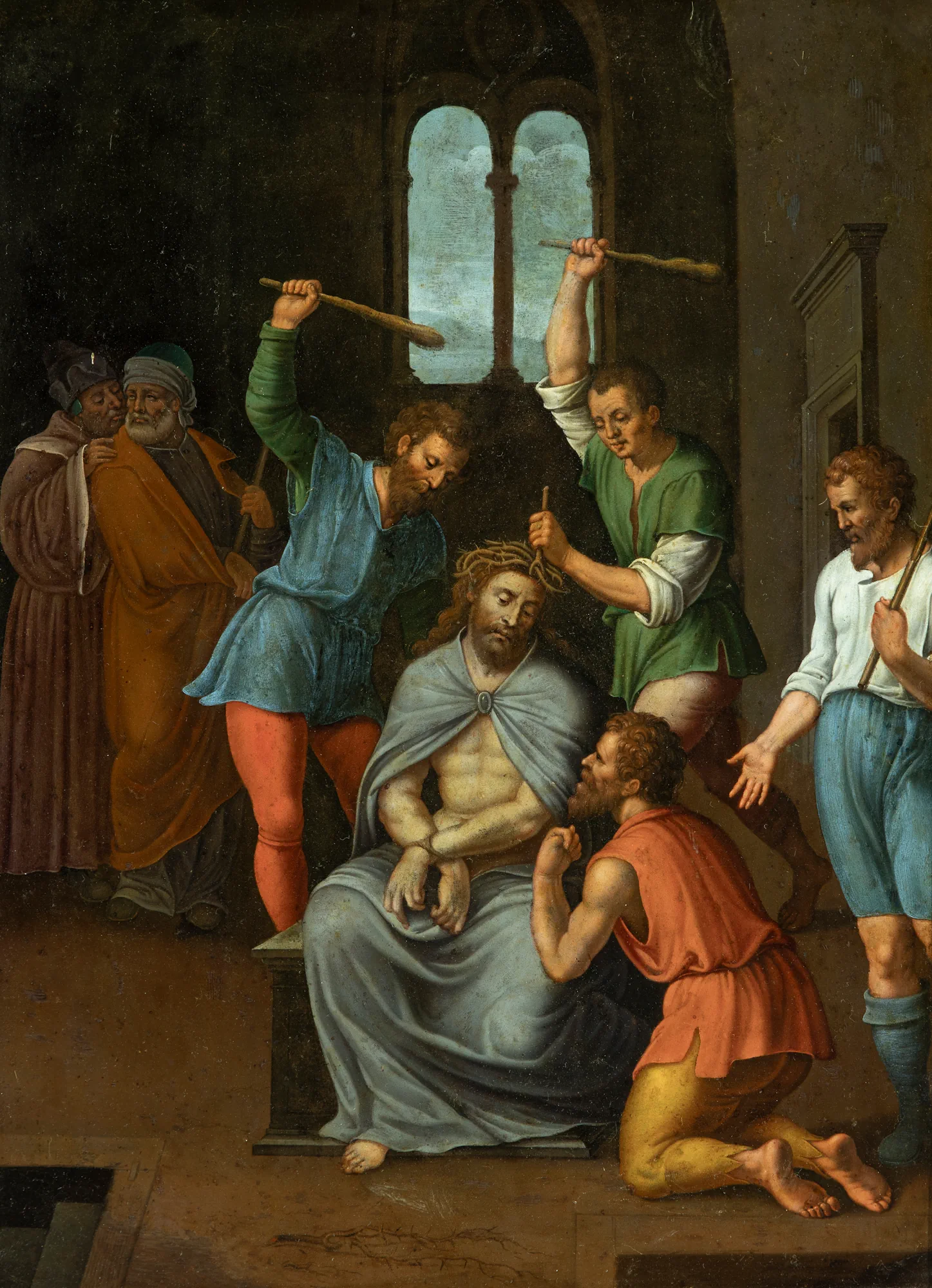
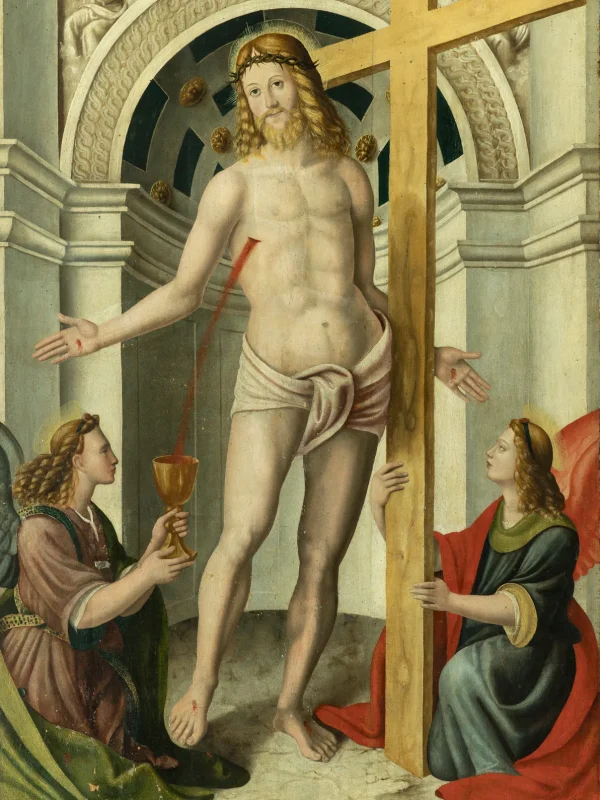
The route then resumes the Gospel narrative through episodes from the public life of Christ, such as the theme of the adulteress and the Washing of the Feet, before entering the drama of the Passion. The final rooms lead the visitor towards the most intense moments of the story of Christ: the Christ Mocked, the Pietà, the Crucifixion, the Lamentation over the Dead Christ and the Effusio sanguinis. The journey concludes with the Resurrection, which represents the theological culmination of the entire display and conveys the ultimate meaning of Christ’s sacrifice.
The volume dedicated to the donation is not merely a guide to the San Lorenzo itinerary, but constitutes the catalogue of the entire collection. In addition to the twenty-four works exhibited in the basilica, it also includes the groups intended for the Parish Church of Santa Maria Assunta in Settignano and the Church of Santi Apostoli. Thanks to the sequential numbers assigned to the works, the reader can follow both the iconographic itinerary and the historical and artistic analysis presented in the catalogue.
Alongside the thematic reading based on the life of Christ, the volume offers a second interpretative key: that of the schools of painting. The collection indeed provides a significant overview of Italian sacred painting between the late 15th and the 17th century.
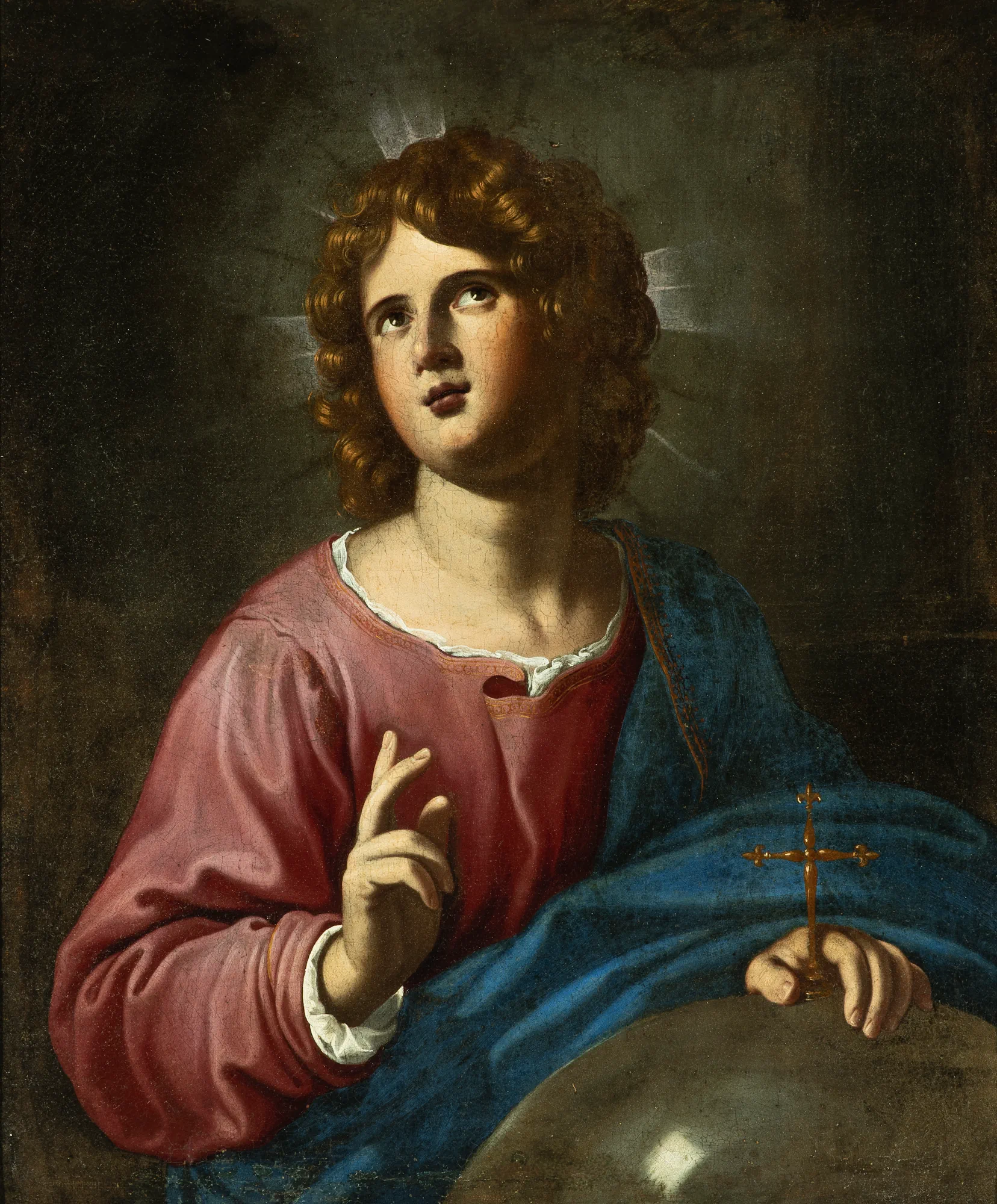
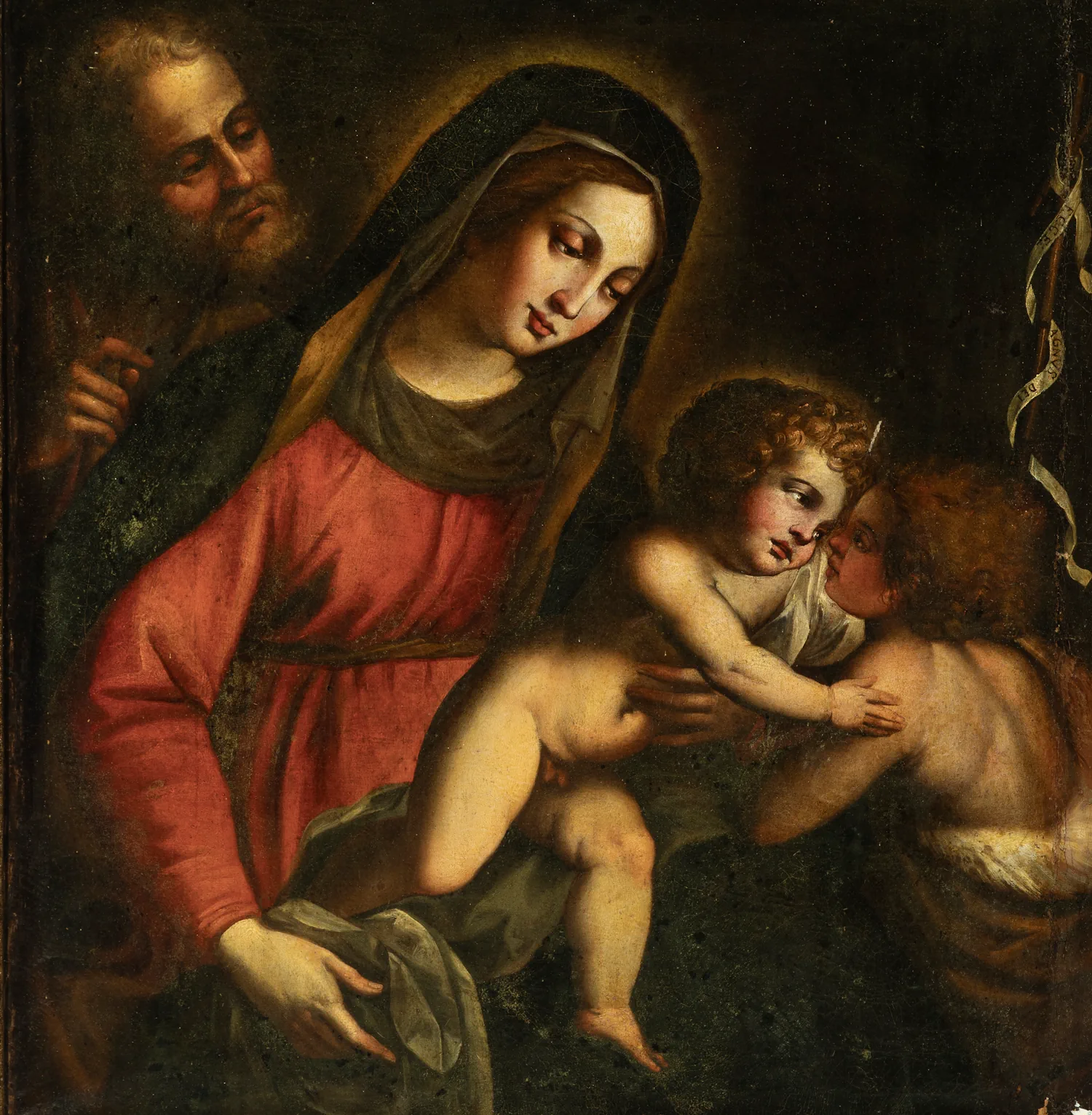
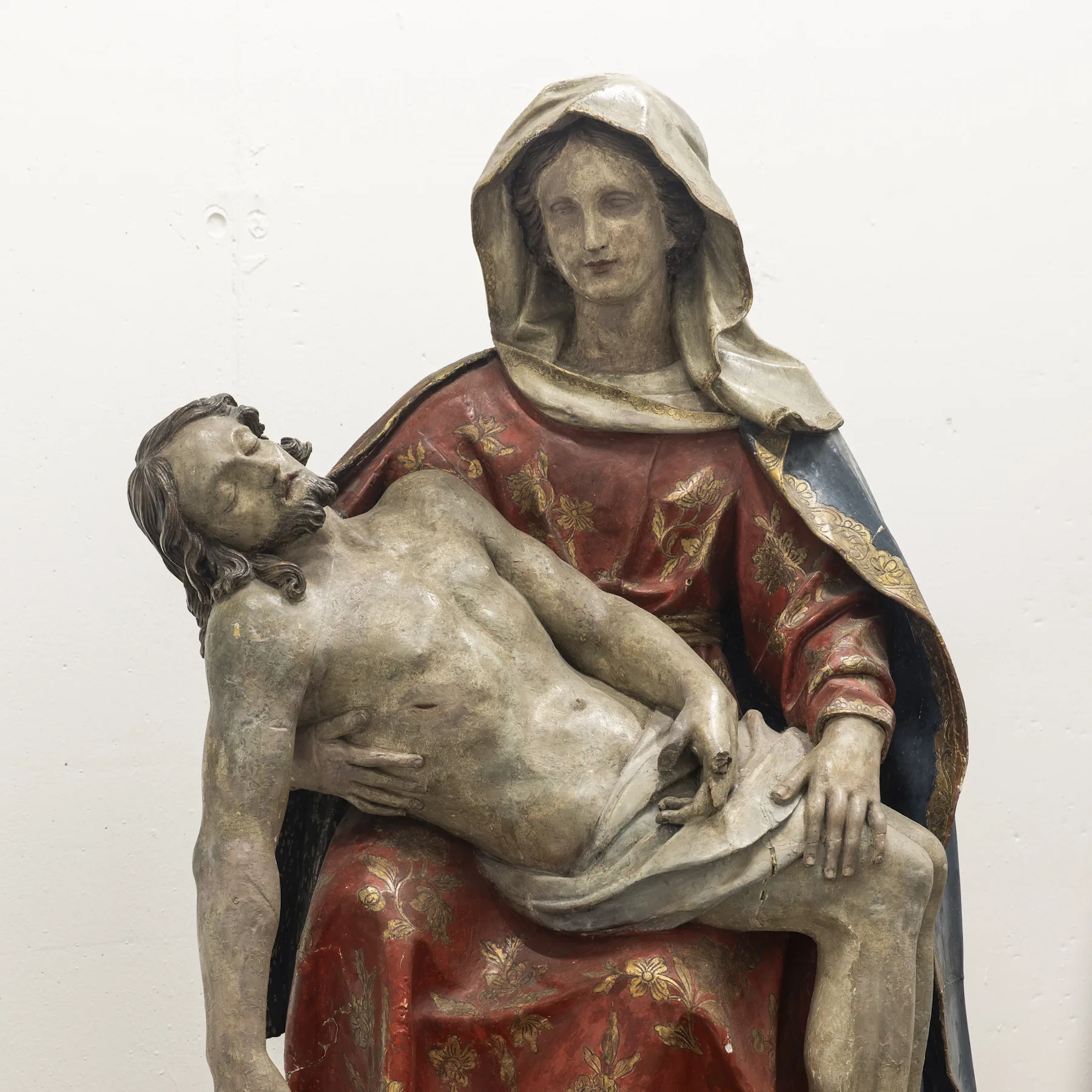
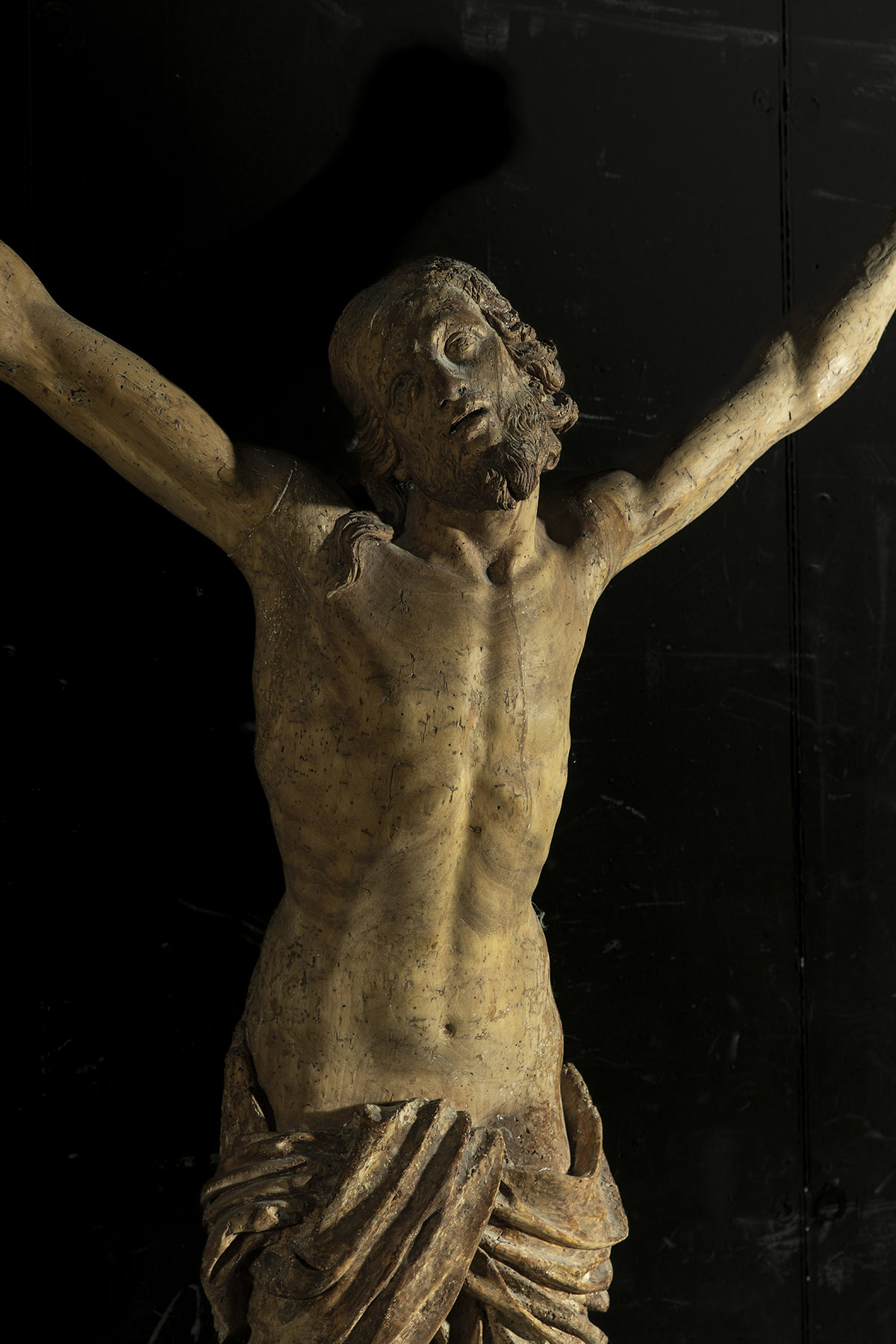
The Florentine School
is one of the richest groups and comprises works attributable to the workshops of Botticelli, Mariotto Albertinelli, Raffaello Botticini and Andrea del Sarto, together with important examples of late 16th-century and 17th-century Florentine painting by Cigoli and Jacopo Vignali. These works document the evolution of local painting from the Renaissance to Counter-Reformation culture.
The Venetian School is represented by paintings attributable to the workshop of Giovanni Bellini, to the circle of Paolo Veronese and to the sphere of the Bassano family. Particularly notable are their chromatic refinement, their taste for landscape and the dissemination of devotional models intended for private patronage.
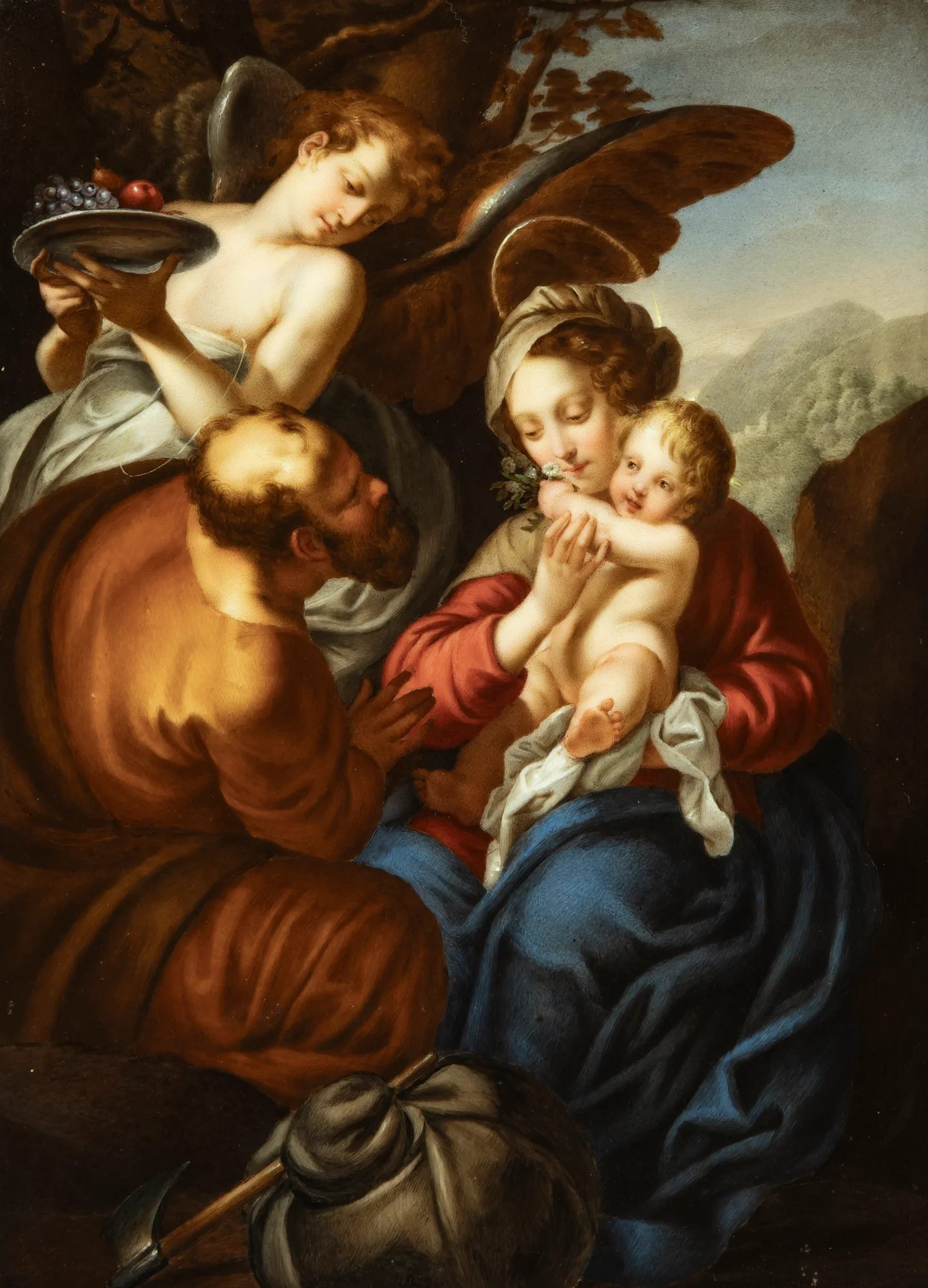
The Lombard School
finds expression in a panel connected to Giampietrino, one of the most important followers of Leonardo da Vinci, and in a refined 19th-century porcelain plaque derived from a celebrated model by lo Zoppo da Lugano.
These works bear witness to the success and enduring diffusion of Leonardesque and Baroque models.
The Emilia-Romagna School
is documented by a Madonna and Child derived from Francesco Francia and by a significant depiction of the Effusio sanguinis attributable to the circle of Antonio da Faenza — works that reflect the dialogue between Renaissance classicism and religious devotion.
The Roman School, for its part, comprises works that illustrate the evolution of painting in the papal capital between the late Mannerist period and the 17th century. Alongside the Washing of the Feet of Muzianesque character are paintings connected to the circle of Antiveduto Grammatica and a derivation from Carlo Maratta — testimonies to the transition from Counter-Reformation culture to Baroque classicism.
The collection concludes with a number of works whose attribution remains uncertain, gathered under the category of the "Italian Schools." Although they cannot yet be assigned with certainty to a specific regional context, they represent an important field of research and contribute to enriching the overall value of the collection.
Taken as a whole, the Oreste Poli Donation thus presents itself as a heritage of considerable historical and artistic interest, capable of combining the story of the life of Christ with a broad overview of the principal Italian schools of painting between the Renaissance and the Baroque, offering the visitor an experience that is at once religious, cultural, and historical-artistic.
Would you like information
about the exhibition?
Fill in the form or contact us using the details below.
© 2026 © 2026 In Questa Luce — All rights reserved — Viale Duse, 30b — 50137 Florence

